
 EN
EN

Siguraduhing Malinis at Patuyuin ang Walang Lamang Bote ng Pabango
Ang maingat na paglilinis at paglalagay ng walang laman na bote ng pabango ay ang pinakamahalagang hakbang bago muling punan, isang aral na natutunan ko sa isang masamang pagkakamali. Ilang taon na ang nakalilipas, binuhos ko muli ang isang lumang bote ng pabango nang hindi inilimpyo ito - ang mga residuo ng dating pabango ay pinaghalong sa bagong pabango, na lumilikha ng isang hindi kasiya-siyang amoy. Mas masahol pa, ang natitirang kahalumigmigan ang nagdulot sa bagong pabango na mabilis na mag-oxide, na nagiging malawig na malambot. Ngayon, sinusunod ko ang propesyonal na pamamaraan na inirerekomenda ng mga tagagawa ng mga bote ng pabango: hugasan ang bote ng alkohol (70% isopropyl alcohol ang pinakamahusay na gumagana) upang matunaw ang mga residuo ng pabango at patayin ang mga bakterya, pagkatapos ay hayaan itong lubusang matuyo sa hangin sa isang lugar na walang Ang bote ng pabango ng propesyonal na tagagawa ay may isang makinis, hindi porous glass interior (na gawa sa mataas na kalinisan ng borosilicate), na ginagawang mas madali ang paglilinis at pinoprotektahan ang pag-umpisa ng mga residuo. Ipinaliwanag ng mga eksperto sa kemikal na kahit ang maliliit na mga bakas ng lumang pabango o kahalumigmigan ay maaaring makabago sa amoy ng bagong pabango at mapaikli ang buhay nito. Ang walang laman na bote ng pabango ng tagagawa na ito ay may pinagsasabog na spray pump o malawak na pagbubukas, na nagpapahintulot ng madaling pag-access para sa paglilinis. Para sa sinumang nagpuno ulit, ang paglaan ng panahon upang linisin at matuyo ang bote ay tinitiyak na ang bagong pabango ay nag-iingat ng orihinal na amoy at kalidad.
I-match ang Fragrance na Pampalit sa Materyal ng Bote ng Perfu
Hindi lahat ng pabango ay tugma sa lahat ng materyales ng bote ng pabango—ang hindi pagtutugma ay maaaring magdulot ng pinsala o makaapekto sa amoy. Minsan ay nilagyan ko ng pabangong oil-based ang isang plastik na bote ng pabango, ngunit natuklasan kong ang plastik ay nabaluktot at ang pabango ay naging mabaho. Ang bote ng pabango ng propesyonal na tagagawa ay gawa sa high-purity borosilicate glass, na hindi gumagalaw at tugma sa lahat ng uri ng pabango (alcohol-based, oil-based, concentrated). Ang salamin ay hindi reactive, kaya hindi ito makikipag-ugnayan sa mga sangkap ng pabango o babaguhin ang amoy nito. Nabanggit ng mga eksperto sa material science na ang mga plastik na bote ng pabango ay maaaring maglabas ng mga kemikal sa mga pabangong oil-based, habang ang mababang kalidad na salamin ay maaaring maglaman ng mga impurities na tumutugon sa alkohol. Ang bote ng pabango ng tagagawa na ito ay sumasailalim sa compatibility testing sa iba't ibang formula ng pabango, tinitiyak na ang salamin ay hindi mababasag, magkukulay, o makakaapekto sa pabango. Kapag nagre-refill, suriin ang materyal ng bote ng pabango (mas mainam ang salamin para sa versatility) at kumpirmahin na tugma ito sa iyong refill fragrance—ang simpleng hakbang na ito ay nakakaiwas sa pagkasira ng pabango at ng bote.
Kontrolin ang Bilis ng Pagpupuno at Iwasan ang Labis na Pagpupuno para sa bote ng pabango
Ang pagkontrol sa bilis ng pagpapuno at ang pag-iwas sa sobrang pagpupuno ay mahalaga upang maiwasan ang pagbubuhos at mapanatili ang kakayahang gumana ng bote ng perfume. Noong isang beses, mabilis akong nagpuno ng bote ng perfume at masyadong mabilis kong inilagay ang likido—kaya’y tumaboy ang perfume, na sumira sa label at pinsala ang spray pump. Ang tamang paraan ay gamitin ang maliit na funnel (na mas mainam kung salamin o stainless steel) at ilagay nang dahan-dahan, tumigil kapag ang likido ay umabot sa 80–85% ng kapasidad ng bote. Ang bote ng perfume mula sa propesyonal na tagagawa ay may nakamarkang "max fill line" (nakikita sa panloob na pader ng bote) upang gabayan ang pagpupuno, at ang disenyo ng malawak na bibig (sa mga modelo na madaling punuan muli) ay binabawasan ang peligro ng pagbubuhos. Ipinaliwanag ng mga eksperto sa packaging engineering na ang pag-iwan ng espasyo sa itaas ay nagbibigay-daan sa kaunting pagpalawak ng likidong perfume dahil sa pagbabago ng temperatura, na nagpipigil sa pagbubuhos. Ang sobrang pagpupuno ay maaari ring pinsalain ang spray pump sa pamamagitan ng paglalagay ng mga panloob na bahagi nito sa loob ng perfume. Ang mga spray pump ng tagagawa na ito ay idinisenyo upang matagalan ang paulit-ulit na pagpupuno, ngunit ito lamang kung hindi sobrang puno ang bote. Para sa maayos na pagpupuno, gawin nang dahan-dahan, gamitin ang funnel, at sumunod sa nakamarkang fill line—ang iyong bote ng perfume at ang amoy nito ay magpapasalamat sa iyo.
Suriin ang mga Bahagi ng Pagse-seal at Pag-spray Bago Gamitin
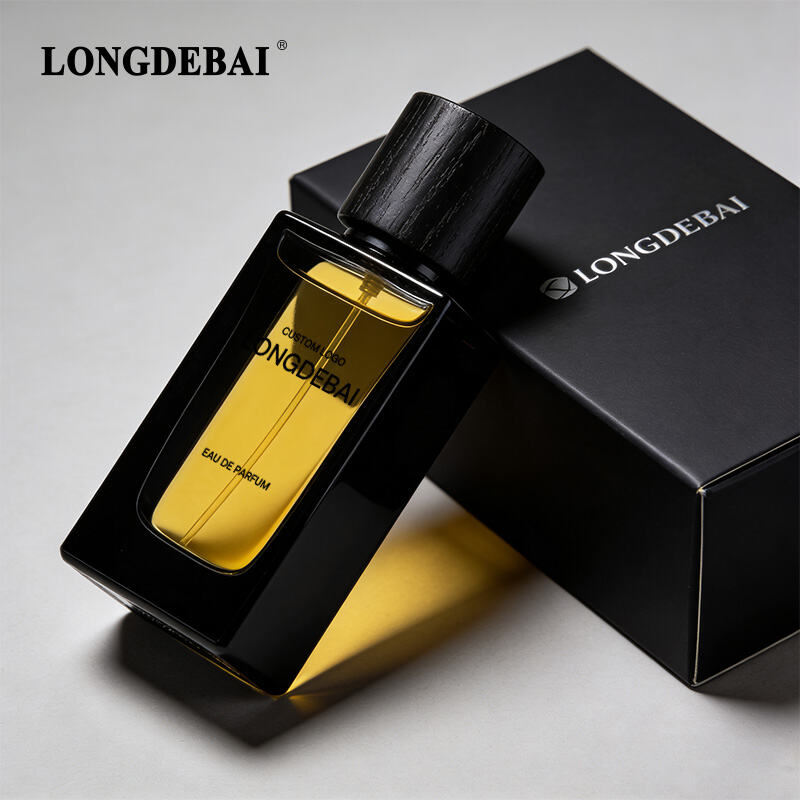
Pagkatapos ng pagpapalit ng nilalaman, ang pagsusuri sa mga bahagi ng pagse-seal at spray ay nagpapatiyak na ang bote ng perfume ay gumagana nang maayos at nakakaiwas sa pagbubuhos. Isang beses kong pinunan muli ang isang bote ng perfume ngunit nakalimutan kong i-reattach ang silicone gasket sa takip—kaya't sumabog ang perfume habang ito ay nakaimbak, na nagdulot ng pinsala sa aking aparador. Ngayon, palaging sinusuri ko ang leeg ng bote para sa anumang dumi, muling inilalagay ang gasket (kung ito ay maaaring tanggalin), at hinihigpit nang husto ang takip o spray pump. Sinusubukan ko rin ang spray pump nang ilang beses upang i-prime ito at suriin kung paano ito sumasabog nang pantay. Ang bote ng perfume mula sa propesyonal na tagagawa ay may leeg na may precision seal at mataas na kalidad na spray pump na may matibay na silicone gasket. Bawat bote ng perfume ay sinusubok sa airtightness bago ito lumabas sa pabrika, na nagpapatiyak na ang seal ay nananatiling epektibo kahit pagkatapos ng paulit-ulit na pagpapalit ng nilalaman. Ayon sa mga eksperto sa spray pump, ang pag-i-prime ng pump ay nag-aalis ng hangin sa loob nito at nagpapatiyak ng pare-parehong kalidad ng spray. Para sa sinuman na nagpapalit ng nilalaman ng bote ng perfume, ang mabilis na pagsusuri sa seal at sa pagganang spray ay tumatagal lamang ng ilang segundo ngunit nakakaiwas sa mahal na pagbubuhos at nagpapatiyak ng magandang karanasan ng gumagamit.
Itago nang wasto ang bote ng pabango na pinunan ulit
Ang tamang pag-iimbak matapos ang pagpapalit ng parfum ay mahalaga upang mapanatili ang kalidad ng parfum at ang kalagayan ng bote ng parfum. Noong isang beses, inimbak ko ang isang bote ng parfum na pinapalitan sa isang madumi at mainit na banyo, kaya't nangorosyon ang metal na takip nito, samantalang mabilis na nawala ang amoy nito. Iminumungkahi ng propesyonal na tagagawa na imbakin ang mga bote ng parfum na pinapalitan sa isang malamig, madilim, at tuyo na lugar—malayo sa direktang sikat ng araw, mga pinagmumulan ng init (tulad ng radiator), at kahalumigmigan. Ang kanilang bote ng parfum ay gawa sa salamin na hindi tinatanggap ang liwanag upang harangan ang mga sinag ng UV, na sumisira sa mga molekula ng amoy, at ang mga bahagi nito na gawa sa metal ay may patong na anti-corrosion. Binibigyang-diin ng mga eksperto sa pag-iimbak ng amoy na ang pare-parehong malamig na temperatura (15–20℃) ay nagpapabagal sa proseso ng oxidation at nagpapanatili ng amoy. Inirerekomenda rin ng tagagawa na ilagay ang bote ng parfum nang nakatayo upang maiwasan ang pagsusulot ng likido sa spray pump o sa gasket ng takip, na maaaring magdulot ng pinsala sa paglipas ng panahon. Sa pamamagitan ng tamang pag-iimbak ng iyong bote ng parfum na pinapalitan, maaari mong palawigin ang buhay ng amoy at panatilihin ang bote sa mabuting kalagayan para sa susunod na pagpapalit.