
 EN
EN
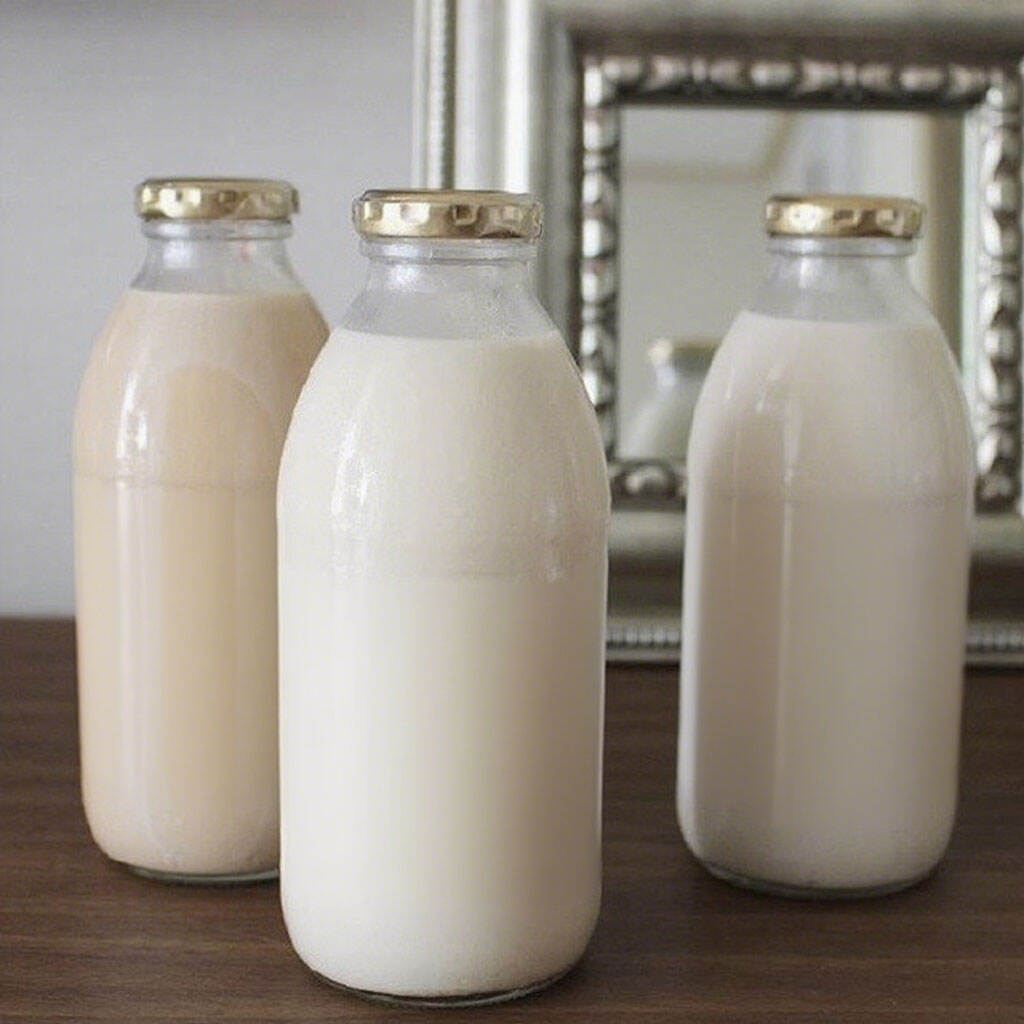
Common cleaning troubles brought by narrow neck glass bottle structure
Many daily users and commercial operators have long been troubled by cleaning difficulties when using various types of glass bottle. Compared with wide mouth containers, glass bottle designed with slim and narrow neck features more elegant appearance and better sealing performance, which makes them widely used in beverage packaging, essential oil storage, daily drink filling and cosmetic liquid holding fields. However, the slim neck design also forms natural obstacles for daily washing and deep cleaning. Ordinary cleaning cloths, sponges and common brushes cannot easily reach the inner bottom and dead corners inside these containers, leaving residual liquid stains, sticky sediment and hidden dirt that are hard to remove thoroughly.
We have been engaged in the production and customization of diversified glass bottle for many years, and we keep collecting real feedback from global users on product use and daily maintenance. In practical application, many customers reflect that leftover fruit pulp, milk residue, syrup sediment and essential oil grease will adhere firmly to the inner wall of narrow neck glass bottle after long-term use. If these dirt cannot be cleaned completely in time, they will gradually breed bacteria, produce peculiar smell, and even affect the service life and internal storage environment of the whole container. Professional daily maintenance experts also point out that reasonable cleaning methods are not only for keeping the glass bottle bright and clean, but also an important way to extend its service cycle and ensure safe repeated use. Our series of narrow neck glass bottle adopt smooth inner wall polishing technology in production, which effectively reduces the adhesion of stains from the source and lays a good foundation for later daily cleaning work.
Pre-treatment steps to soften internal stubborn stains inside glass bottle
Before carrying out formal deep cleaning work, reasonable pre-treatment is the key to improve cleaning efficiency and avoid scratching the inner surface of glass bottle. Different residual substances need targeted soaking solutions to soften and decompose stubborn dirt. For common sugar water residue, fruit juice stains and tea scale inside daily drinking glass bottle, warm water mixed with a small amount of edible baking soda is the most practical and safe soaking agent. The weak alkaline component can quickly decompose sugar-based sticky substances and soften tea scale attached to the inner wall without causing any corrosion damage to food grade glass materials.
For glass bottle used to hold essential oil, plant extract and oily liquid, users can choose warm water mixed with a little neutral mild detergent for sealed soaking. Appropriate soaking time needs to be controlled according to the degree of dirt accumulation. Combined with our actual user maintenance experience, light stains only need thirty minutes of soaking, while thick layered sediment needs to be soaked for two to three hours to achieve the best softening effect. It is worth noting that all our finished glass bottle have passed high temperature resistance test, so users can safely use warm water within reasonable temperature range for soaking cleaning without worrying about deformation, cracking and damage of the bottle body. This pre-treatment method is simple, safe and low cost, and is suitable for family daily use and small batch commercial container maintenance.
Practical manual cleaning skills suitable for narrow neck glass bottle
After the internal stains are fully softened by soaking, users can use targeted auxiliary tools to complete comprehensive cleaning of narrow neck glass bottle. Traditional short cleaning brushes cannot go deep into the bottle body, while long flexible cleaning brushes with slim brush head are the most matching practical tools. The slim brush head can smoothly pass through the narrow neck and fully touch every position from the middle section to the inner bottom of the glass bottle. Users only need to gently rotate and pull the brush back and forth to wipe off all softened stains on the inner wall.
In the daily maintenance cases we sorted out, many catering shop operators and household users have formed fixed good cleaning habits. After soaking the glass bottle, they first shake the container repeatedly to let the liquid flow impact the inner wall, then cooperate with long handle slim brushes to finish overall scrubbing. For tiny hidden dead corners that are difficult to clean, users can put a small amount of clean rice grains or coarse salt into the glass bottle, add a proper amount of clean water, tighten the bottle cap and shake it vigorously back and forth. The rolling friction of solid particles can effectively polish off stubborn faint stains that cannot be brushed away. All the glass bottle we produce adopt thickened transparent glass material with uniform texture, which has strong friction resistance. Regular reasonable manual cleaning will not leave obvious scratch marks on the inner and outer surfaces, and can always maintain the transparent and smooth appearance of the bottle body. After scrubbing, just rinse repeatedly with flowing clean water until no foam and residual stains remain inside.
Scientific disinfection and drying methods to maintain glass bottle hygiene state
Simply removing surface stains cannot meet the long-term safe use standard of glass bottle, especially those containers used for storing edible liquid, drinking water and skin care raw liquid. Complete disinfection and standardized drying procedures are essential links in the whole cleaning process. After finishing rinsing work, users can choose different disinfection modes according to actual usage scenarios. Household daily used narrow neck glass bottle can be disinfected by high temperature steam or boiled water soaking for a short time, which is safe and free of chemical residue.
For commercial batch used glass bottle, users can adopt food grade no-residue disinfection solution for mild soaking and disinfection, and then rinse thoroughly with sterile water. Industry hygiene research data shows that timely and thorough disinfection can effectively inhibit the reproduction of various harmful bacteria inside the closed glass bottle and avoid cross contamination of stored items. After disinfection is completed, correct drying way is also very important. It is not advisable to directly tighten the bottle cap for sealed storage when there is still accumulated water inside the glass bottle, which is easy to breed mold and produce peculiar smell. The correct operation is to invert all cleaned glass bottle on clean draining rack, let the internal residual water flow out naturally in a cool and ventilated environment, and carry out classified storage after the inside is completely dry. Our matched sealed bottle caps are made of safe food grade auxiliary materials, which can keep the internal environment dry and sterile for a long time after the glass bottle is fully dried and sealed.
Daily maintenance habits to reduce cleaning frequency of glass bottle
Mastering efficient cleaning methods can solve existing dirt problems, while forming good daily use and maintenance habits can fundamentally reduce the cleaning difficulty and cleaning frequency of narrow neck glass bottle. Many users always wait until the dirt accumulates thickly before centralized cleaning, which greatly increases the difficulty of later decontamination. According to the practical experience summarized by our after-sales technical team, the most labor-saving way is to carry out simple preliminary cleaning immediately after each use of glass bottle. Pour out the residual liquid inside in time, and simply rinse the inner wall with clean warm water while the stains have not been completely air-dried and solidified, which can remove most of the simple residual substances easily.
In addition, users need to classify and use different glass bottle reasonably according to stored items. Try not to mix strong odor liquid and easy-staining raw liquid in the same container for repeated use, so as to avoid cross odor and deep color penetration that are difficult to clean. As a professional manufacturer focusing on glass bottle research and development and production, we keep optimizing the internal structure and surface treatment technology of products. The upgraded inner wall smoothness can greatly reduce the adhesion speed and firmness of various stains, bringing more convenient use and maintenance experience to global buyers and end users. Whether customers purchase standard spot glass bottle or put forward personalized customized production demands, we will always take practical use performance and later maintenance convenience as important production standards. Reasonable use with scientific cleaning methods can maximize the service value of each glass bottle, keep the container clean and hygienic for a long time, and satisfy various packaging and storage demands in different industries.
Table of Contents
- Common cleaning troubles brought by narrow neck glass bottle structure
- Pre-treatment steps to soften internal stubborn stains inside glass bottle
- Practical manual cleaning skills suitable for narrow neck glass bottle
- Scientific disinfection and drying methods to maintain glass bottle hygiene state
- Daily maintenance habits to reduce cleaning frequency of glass bottle