
 EN
EN
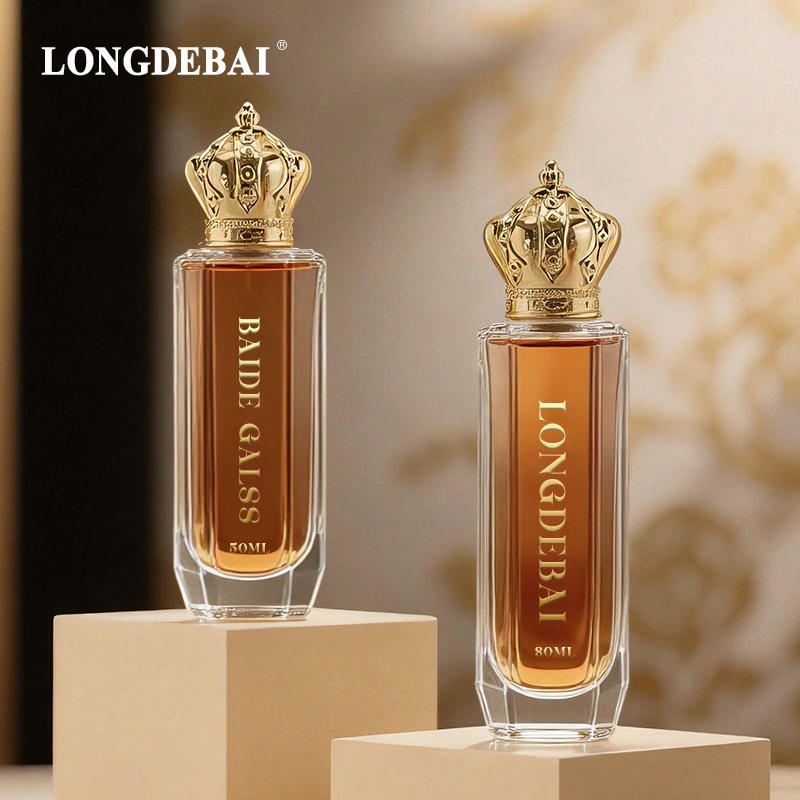
Nozzle Precision and Hole Diameter of perfume bottle
The precision of the nozzle and the size of its hole are the most direct factors affecting the spray effect of a perfume bottle, a lesson I learned from troubleshooting for a beauty brand. A few years ago, a client launched a new perfume line, but customers complained heavily about the spray effect—some sprays were too concentrated, leaving spots on clothes, while others were too scattered and weak. Upon inspection, I found the nozzles from their original manufacturer had inconsistent hole diameters (ranging from 0.3mm to 0.5mm) and rough inner surfaces. We switched to a professional manufacturer whose perfume bottle nozzles are crafted with micro-precision drilling technology. The hole diameter is strictly controlled at 0.35mm ± 0.01mm, and the inner surface is polished to a smooth finish. The result was a fine, uniform mist that covered evenly without wasting perfume. Fluid dynamics experts explain that a precise, smooth nozzle ensures consistent liquid flow, creating the ideal spray particle size (10-20 microns) for perfume. This manufacturer’s nozzles undergo 10,000+ spray tests to verify uniformity, and each perfume bottle is inspected for spray effect before shipment. For anyone choosing a spray perfume bottle, checking nozzle precision is key to getting a satisfying spray experience.
Pump Core Quality and Pressure Stability of perfume bottle
The quality of the pump core and its pressure stability directly impact the spray effect of a perfume bottle, as a faulty pump core leads to inconsistent spray intensity. I once tested a perfume bottle where the pump core was made of cheap plastic—after a few uses, the spray became weak and intermittent, and it eventually got stuck. In contrast, the professional manufacturer’s perfume bottle uses a stainless steel pump core with a ceramic valve. This pump core maintains stable pressure (0.2-0.3MPa) with each press, delivering a consistent spray without lag or weakness. Packaging engineering experts note that the pump core is the "heart" of a spray perfume bottle; high-quality materials and precise assembly ensure long-term pressure stability. This manufacturer’s pump cores are tested for 5,000+ presses to ensure durability, and the pressure is calibrated during production to match the nozzle’s specifications. When evaluating a spray perfume bottle, you can press the pump repeatedly to feel if the resistance is consistent and if the spray intensity remains the same—these details reflect the quality of the pump core.
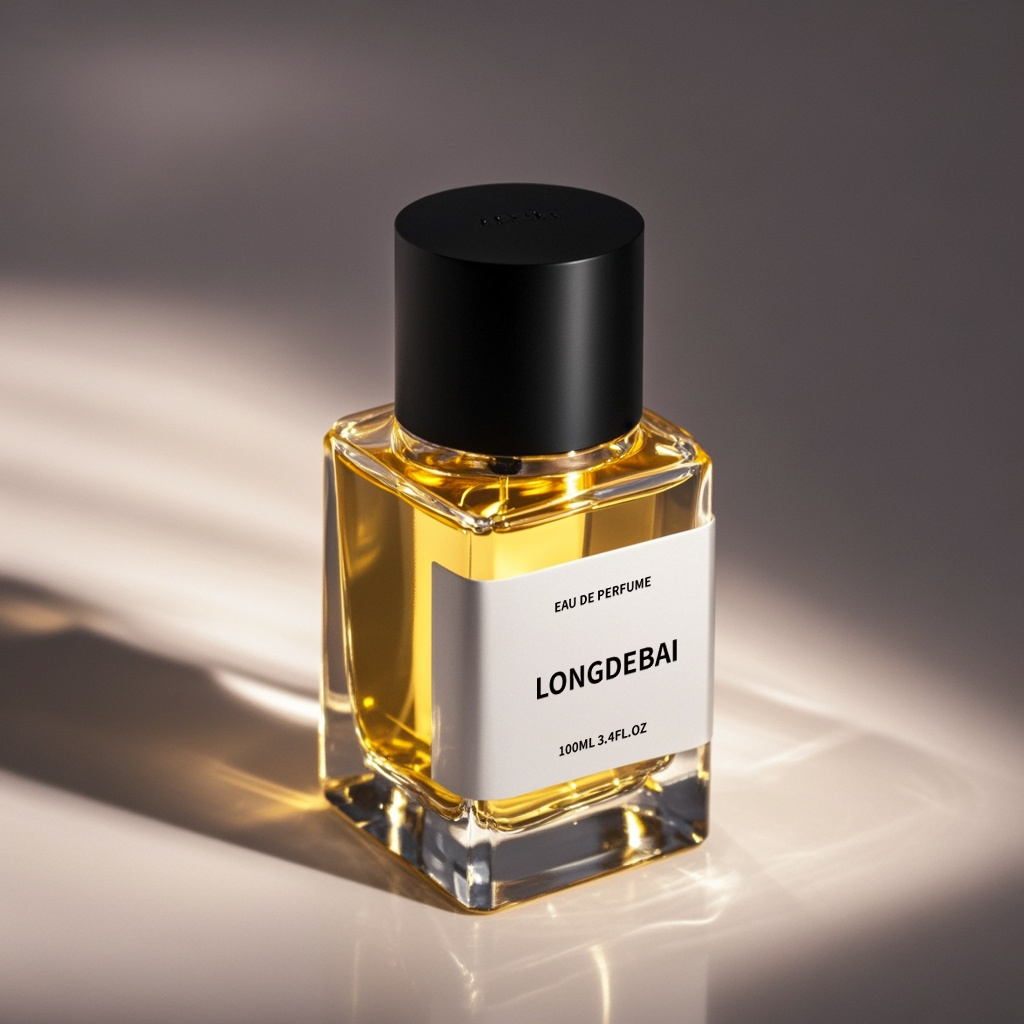
Bottle Internal Pressure and Liquid Viscosity Compatibility of perfume bottle
The compatibility between the internal pressure of the perfume bottle and the liquid viscosity is a crucial but often overlooked factor affecting spray effect. I once worked with a brand that used a thick, oil-based perfume formula in a standard spray bottle. The spray was uneven and often clogged because the bottle’s internal pressure couldn’t push the viscous liquid through the nozzle effectively. The manufacturer adjusted the perfume bottle’s design by optimizing the internal pressure and using a nozzle with a slightly larger hole (0.4mm) that matched the formula’s viscosity. The problem was solved instantly, and the spray became smooth and uniform. Chemical engineering experts explain that perfume viscosity (measured in centipoise, cP) and bottle internal pressure must be balanced—thicker formulas require higher pressure or larger nozzle holes, while thinner formulas need precise pressure control to avoid over-spraying. This manufacturer’s team works with clients to test and adjust the perfume bottle’s design based on their specific formula, ensuring optimal compatibility. For brands developing spray perfumes, consulting with the manufacturer to match the bottle to the formula’s viscosity is essential for a good spray effect.
Sealing Performance and Air Leakage of perfume bottle
A spray perfume bottle’s sealing performance and whether it leaks air directly affect the spray effect over time, as air leakage reduces internal pressure. I once had a perfume bottle that worked well initially, but after a month of use, the spray became weak. Upon checking, I found the seal between the pump and the bottle neck was faulty, allowing air to enter and reducing pressure. The professional manufacturer’s perfume bottle uses a dual-sealing design: a food-grade silicone gasket between the pump and the neck, and a tight-fitting cap that prevents air from entering when not in use. This design maintains the bottle’s internal pressure for years, ensuring consistent spray effect. Sealing technology experts emphasize that even minor air leakage can degrade spray performance over time. This manufacturer’s perfume bottle undergoes strict airtightness testing—each bottle is pressurized and submerged in water to check for bubbles, ensuring no air leakage. When choosing a spray perfume bottle, you can check the seal by twisting the pump to see if it fits tightly, and observing if there’s any gap between the pump and the bottle neck—good sealing ensures long-lasting, consistent spray.
Material and Surface Treatment of Spray Components for perfume bottle
The material and surface treatment of the spray components (nozzle, pump core, tube) also affect the spray effect of a perfume bottle, as poor materials can react with the perfume or cause clogging. I once encountered a batch of perfume bottles where the plastic spray tubes reacted with the perfume’s essential oils, causing residue buildup that clogged the nozzle. The professional manufacturer uses inert materials (stainless steel, food-grade plastic, ceramic) for all spray components, which don’t react with perfume formulas. The components are also treated with a non-stick surface coating that prevents residue buildup and clogging. Material science experts note that inert materials and non-stick coatings ensure the spray components remain clean and functional, maintaining consistent spray effect. This manufacturer’s spray components undergo compatibility tests with various perfume formulas (alcohol-based, oil-based, etc.) to ensure no chemical reactions. When evaluating a spray perfume bottle, asking about the material of the spray components and whether they’re treated to prevent clogging can help you identify a high-quality product with reliable spray performance.