
 EN
EN
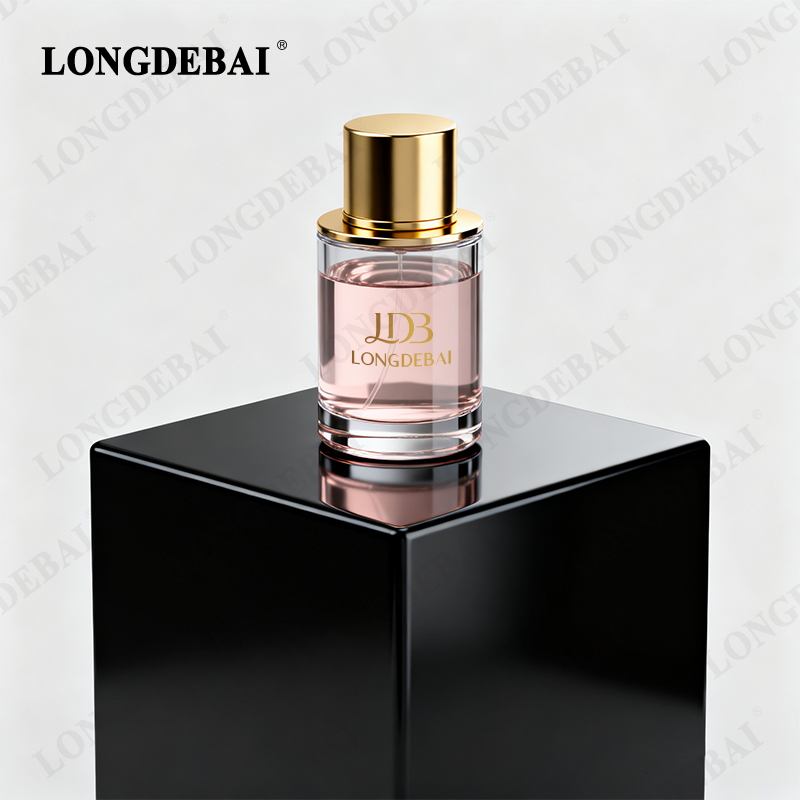
Select High-Quality Printing Materials for perfume bottle
The durability of a custom logo on a perfume bottle starts with choosing the right printing materials, a lesson I learned from a costly mistake early on. A few years ago, I helped a beauty brand customize perfume bottles with a cheap ink for their logo. Within three months, customers complained that the logos were fading, smudging, or peeling off after minor use. We quickly switched to a professional manufacturer that uses food-grade, solvent-resistant inks certified by FDA and EU REACH. These inks are formulated to adhere firmly to glass surfaces and resist moisture, oil, and friction. The brand’s next batch of perfume bottles retained their logos perfectly even after six months of daily use. Printing material experts emphasize that low-quality inks break down easily when exposed to environmental factors, while high-quality options form a protective layer that bonds with the glass. This manufacturer’s inks also undergo 500+ wear tests and 100+ wash tests to ensure durability. For anyone customizing logos, prioritizing high-quality, certified materials is the first step to long-lasting results.
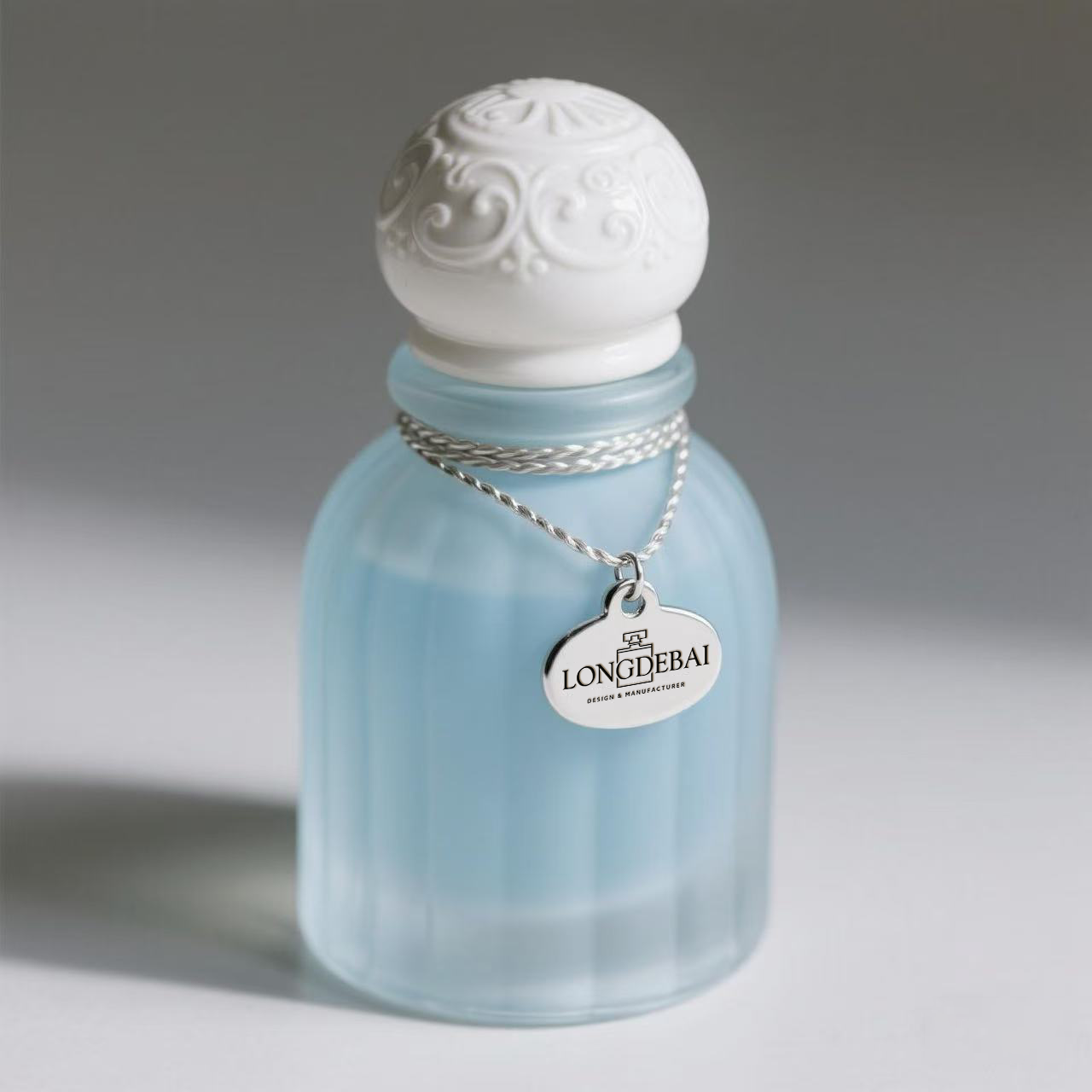
Choose the Right Logo Application Technique for perfume bottle
The technique used to apply the custom logo directly impacts its durability, and matching the technique to the perfume bottle’s material and use case is crucial. I once worked with a luxury perfume brand that initially chose silk-screen printing for their frosted glass bottles. The logos scratched off easily because the technique wasn’t compatible with the textured surface. The manufacturer recommended laser engraving instead—a process that etches the logo directly into the glass, creating a permanent mark that can’t peel or fade. After the switch, the brand received zero complaints about logo damage. Surface treatment experts explain that different techniques work best for different finishes: laser engraving for frosted or polished glass, hot stamping with UV curing for metallic logos, and pad printing with durable resins for curved surfaces. This manufacturer offers a range of techniques tailored to perfume bottle materials, and their team helps clients select the optimal method based on their needs. Each technique is tested for adhesion and durability, ensuring the logo withstands daily handling, cleaning, and storage.
Ensure Proper Surface Preparation of perfume bottle Before Logo Application
Proper surface preparation of the perfume bottle is essential for logo durability, as dirt, oil, or residue can prevent the logo from adhering properly. I once encountered a batch of perfume bottles where the custom logos bubbled and lifted—upon investigation, the manufacturer had skipped the surface cleaning step. The professional manufacturer I now work with follows a strict surface preparation process: each perfume bottle is cleaned with a food-grade degreaser, rinsed with distilled water, and dried in a dust-free environment to remove all contaminants. They then treat the surface with a primer that enhances ink adhesion, creating a strong bond between the logo and the glass. Surface engineering experts note that even the best inks and techniques will fail if the surface isn’t properly prepared. This manufacturer’s preparation process is validated through adhesion tests, ensuring the logo stays intact for years. For anyone customizing perfume bottle logos, verifying that the manufacturer follows rigorous surface preparation steps is key to avoiding durability issues.
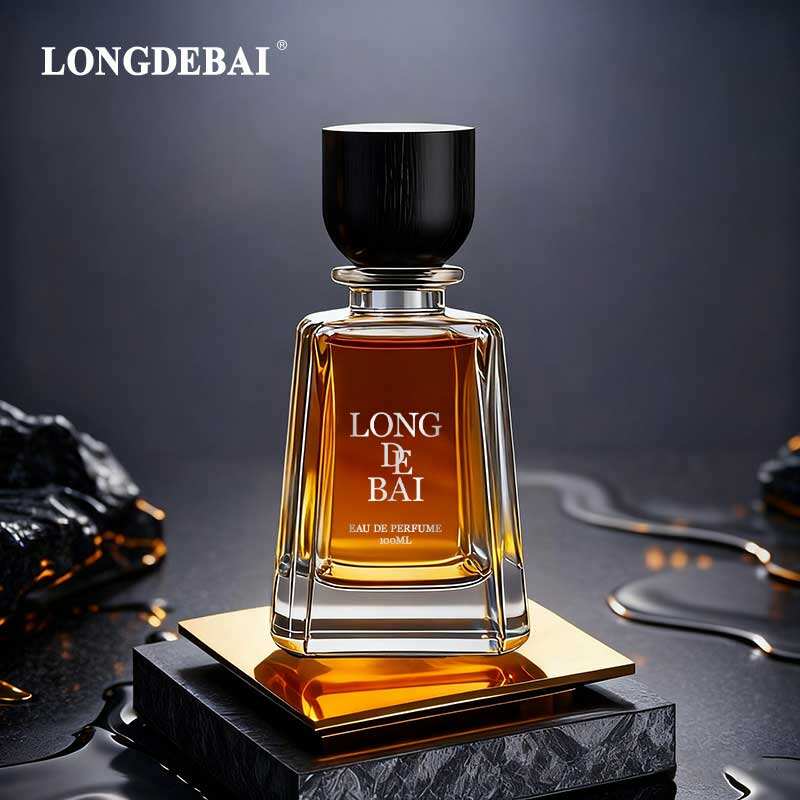
Opt for Post-Processing Protective Treatments for perfume bottle
Post-processing protective treatments add an extra layer of durability to custom logos on perfume bottle, extending their lifespan significantly. A client in the travel perfume industry needed their logos to withstand frequent handling and transportation. The manufacturer applied a clear, scratch-resistant varnish over the printed logos, creating a protective barrier against scratches, moisture, and fading. The result was logos that remained intact even after being tossed in suitcases and exposed to varying temperatures. Coating experts explain that protective treatments like UV-cured varnishes or clear lacquers not only enhance durability but also add a subtle sheen that elevates the logo’s appearance. This manufacturer’s post-processing treatments are non-toxic, eco-friendly, and compatible with all logo application techniques. They also undergo accelerated aging tests to ensure they don’t yellow or crack over time. For perfume bottle with custom logos, adding a protective post-treatment is a cost-effective way to ensure long-lasting durability, especially for products used frequently or transported often.
Verify Strict Quality Control for Logo Durability on perfume bottle
Strict quality control throughout the production process is the final guarantee that custom logos on perfume bottle remain durable. The batch of faulty perfume bottles I mentioned earlier lacked quality control—logos were applied unevenly, and no durability tests were performed. In contrast, the professional manufacturer conducts multiple quality checks: during production, they inspect logo alignment and adhesion; after post-processing, they test for scratch resistance, fading, and water resistance; and before shipment, they conduct random sampling to ensure consistency. Each perfume bottle with a custom logo undergoes a 24-hour soak test, a 100-cycle friction test, and a UV exposure test to simulate real-world use. Quality management experts stress that consistent quality control ensures every bottle meets the same durability standards, avoiding batch-to-batch variations. This manufacturer also provides a durability guarantee for custom logos, offering replacements if logos fade or peel within a specified period. For anyone investing in custom perfume bottle logos, choosing a manufacturer with strict quality control processes ensures peace of mind and long-lasting results.