
 EN
EN
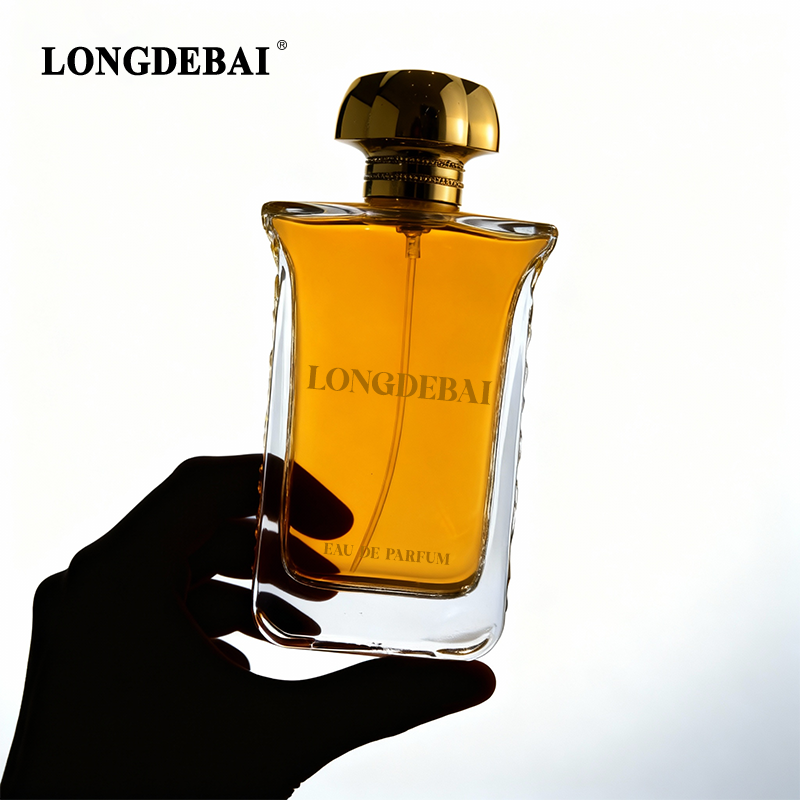
Inspect Glass Texture and Thickness Uniformity for perfume bottle
The texture and thickness uniformity of the glass are the most direct reflections of a designer perfume bottle’s craftsmanship, a lesson I learned from distinguishing genuine and fake designer bottles. A few years ago, a client asked me to verify a batch of "high-end designer perfume bottles" they purchased at a low price. Upon inspection, I found the glass was cloudy with visible bubbles and impurities, and the thickness varied by over 0.3mm across different parts of the bottle—this unevenness not only affected the appearance but also made the bottle prone to breaking. Later, I compared them with perfume bottles from a professional manufacturer: their glass is made of high-purity borosilicate, which is crystal clear without any bubbles or sediment. The thickness is controlled within ±0.1mm through automated production and AI quality inspection, ensuring consistency from the neck to the base. Glass craftsmanship experts emphasize that high-quality designer perfume bottles require strict raw material purification and precise molding technology. This manufacturer’s perfume bottle undergoes 7-step quality control, including glass purity testing and thickness measurement, ensuring the glass feels smooth and substantial to the touch. For consumers and buyers, checking for clarity, no impurities, and uniform thickness is the first step to identifying excellent craftsmanship.
Evaluate Sealing Performance and Component Fit for perfume bottle
A designer perfume bottle’s sealing performance and the fit of its components (cap, pump, etc.) are key indicators of craftsmanship, as poor fit leads to leakage and fragrance loss. I once tested a designer perfume bottle with a loosely fitting cap—the pump was misaligned with the bottle neck, and the perfume leaked during transportation, ruining the packaging. In contrast, the professional manufacturer’s perfume bottle features a precision-machined bottle neck and matching components. The cap fits tightly without being hard to open, and the pump (or dropper) aligns perfectly with the neck, creating a seamless seal. They use food-grade silicone gaskets in the cap, which pass 0.3MPa airtightness testing to prevent air from entering and fragrance from escaping. Packaging engineering experts note that component fit requires micron-level precision in mold manufacturing. This manufacturer uses high-precision molds for both the bottle and its components, and each perfume bottle undergoes 100% leak testing before shipment. When identifying craftsmanship, you can twist the cap to check for smoothness, press the pump to see if the spray is uniform, and observe if there’s any gap between the cap and the bottle—these details reveal the quality of the manufacturing process.
Examine Surface Finishing and Decoration Precision for perfume bottle
The surface finishing and decoration precision of a designer perfume bottle directly reflect the manufacturer’s craftsmanship level, as sloppy finishing ruins the luxurious feel of designer products. I once encountered a designer perfume bottle with a matte finish that was uneven, with glossy spots in some areas, and the laser-engraved logo was blurred and misaligned. The professional manufacturer’s perfume bottle, however, has a flawless surface—whether it’s a frosted, polished, or gradient finish, it’s uniform and consistent. The decoration, such as hot stamping, laser engraving, or silk-screen printing, is precise: the logo is centered without tilting, the patterns are clear without smudging, and the color of the decoration matches the design perfectly. Surface treatment experts explain that high-quality finishing requires advanced equipment and strict process control. This manufacturer uses automated polishing and sandblasting machines for surface treatment, and the decoration is done by computer-controlled equipment to ensure accuracy. When inspecting a designer perfume bottle, you can run your hand over the surface to feel for smoothness, check if the decoration is aligned with the bottle’s centerline, and verify that the colors are consistent with the official design—these details separate exquisite craftsmanship from shoddy work.
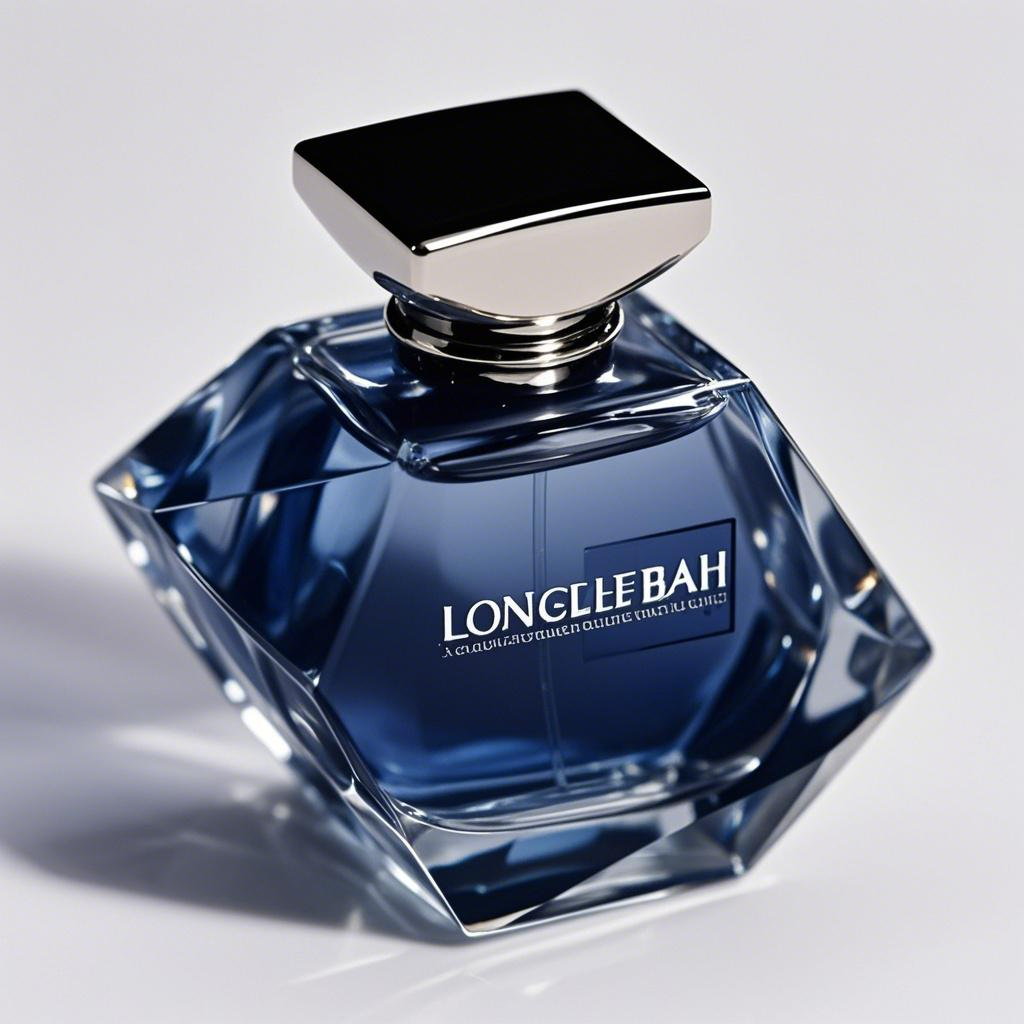
Check Mold Precision and Structural Stability for perfume bottle
Mold precision and structural stability are fundamental to a designer perfume bottle’s craftsmanship, as poor mold quality leads to deformities and instability. I once saw a designer perfume bottle with a warped base that wobbled when placed on a flat surface, and the bottle neck was slightly tilted—these were all caused by imprecise molds. The professional manufacturer’s perfume bottle is produced with high-precision molds developed through 3D modeling and repeated adjustments. The bottle’s shape is consistent with the design 图纸,with no deformities, and the base is flat and stable, able to stand firmly without wobbling. The bottle neck is reinforced and perfectly aligned with the center of the base, ensuring structural integrity even with frequent use. Mold engineering experts emphasize that designer perfume bottles have complex and unique shapes, requiring molds with extremely high precision to reproduce the design accurately. This manufacturer’s mold workshop is equipped with advanced CNC machines, and each mold undergoes strict testing before mass production. To identify craftsmanship, place the bottle on a flat surface to check for stability, observe if the shape is symmetrical, and ensure there are no burrs or uneven edges—these are signs of precise molding and solid structural design.
Verify Quality Certification and Traceability for perfume bottle
Quality certification and traceability are important guarantees of a designer perfume bottle’s craftsmanship quality, as they prove the product meets international standards. A few years ago, a batch of designer perfume bottles was rejected by customs because they lacked necessary safety certifications, and their raw materials could not be traced. The professional manufacturer’s perfume bottle has obtained ISO 9001, FDA, and EU REACH certifications, ensuring the glass and decorative materials are non-toxic and environmentally friendly. Each batch of perfume bottles comes with a traceability code, which allows you to check the production date, raw material sources, and quality inspection records. Quality management experts explain that certified and traceable products undergo stricter quality control throughout the production process. This manufacturer maintains complete production records for each perfume bottle, from raw material incoming to finished product shipment, and provides third-party test reports upon request. When identifying craftsmanship, asking for relevant certifications and checking traceability information can help you confirm that the designer perfume bottle meets high-quality craftsmanship standards, avoiding products with substandard materials or shoddy production.