
 EN
EN
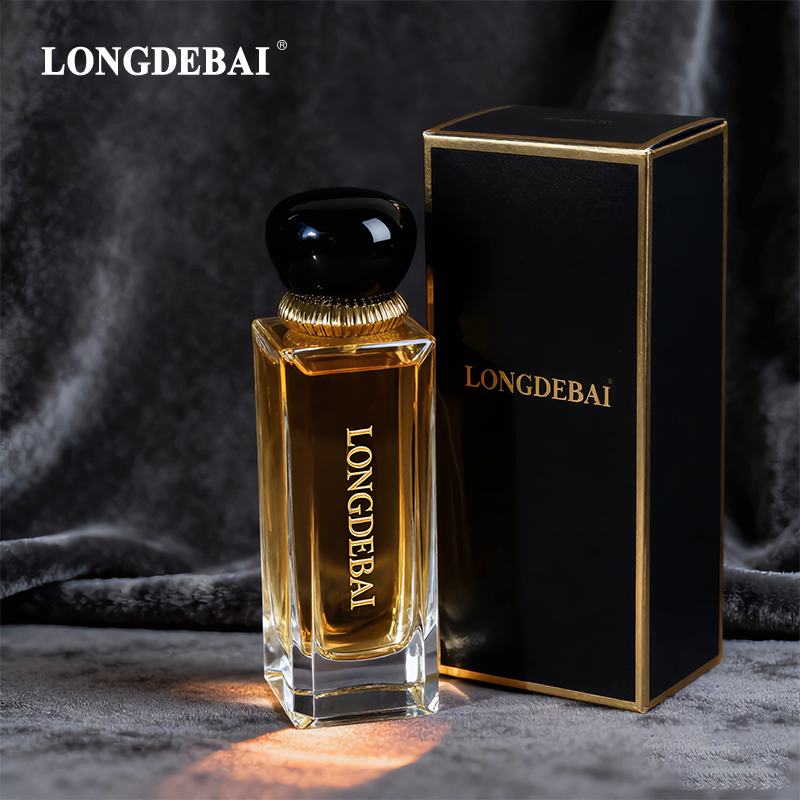
Raw Material Purity: The Foundation of High Light Transmission for perfume bottle
The purity of raw materials directly determines the light transmission of a perfume bottle, a truth I learned deeply when comparing samples from different manufacturers. A few years ago, I worked with a small factory to customize perfume bottles for a new fragrance line. Their bottles looked translucent at first glance, but under natural light, there were subtle cloudy spots, making the perfume inside look dull. Later, I switched to a professional manufacturer specializing in high-end glass packaging. Their perfume bottle is made of high-purity silica sand and food-grade auxiliary materials, with no impurities or sediment. Under the same light conditions, the perfume inside is clearly visible, and the color of the liquid is perfectly presented. Material science experts emphasize that impurities such as iron oxides and calcium carbonate in raw materials will scatter and absorb light, seriously affecting light transmission. High-quality perfume bottle manufacturers will conduct strict purification treatment on raw materials, and the impurity content is controlled below 0.01%, ensuring that the glass has excellent light transmittance. The perfume bottle produced by this manufacturer also undergoes 3 rounds of raw material inspection before production, and only materials that meet the international high-purity standards are put into use, laying a solid foundation for perfect light transmission.
Production Craft Precision: Key to Uniform Light Transmission for perfume bottle
Precise production craftsmanship is crucial to ensuring uniform light transmission of perfume bottle, which I realized when dealing with quality issues of batch perfume bottles. The first batch of perfume bottles I customized had uneven light transmission—some parts were transparent, while others had slight fogging. After communication, I learned that it was due to improper control of the melting temperature and insufficient stirring during the production process. The professional manufacturer I later cooperated with solved this problem perfectly. Their perfume bottle production adopts an intelligent temperature control system, which keeps the glass liquid at a stable melting temperature of 1580℃-1620℃, and uses a three-stage stirring process to ensure uniform mixing of the glass liquid without streaks or cold spots. In the molding stage, high-precision molds and slow cooling technology are used to avoid internal stress and microcracks that affect light transmission. Glass processing experts point out that even high-purity raw materials will have poor light transmission if the craftsmanship is rough. This manufacturer’s perfume bottle has a light transmittance of over 92%, and the light passes through evenly, making the perfume bottle look crystal clear from any angle.
Bottle Thickness Design: Balance Light Transmission and Structural Stability for perfume bottle
The thickness of a perfume bottle is a key factor affecting light transmission, and it needs to balance light transmission and structural stability—a detail I paid special attention to when designing perfume bottles of different capacities. I once tried to make a ultra-thin perfume bottle to pursue better light transmission, but it was easily broken during transportation. On the contrary, an overly thick perfume bottle will block light, making the inside of the bottle look dark. The professional manufacturer’s perfume bottle adopts a scientific thickness design: the body thickness is controlled at 2.8mm-3.2mm, and the bottom and bottleneck are properly thickened for reinforcement. This design not only ensures that light can pass through smoothly, but also maintains the structural stability of the perfume bottle. Optical testing data shows that when the thickness of the glass perfume bottle exceeds 4mm, the light transmittance will decrease by 15%-20%. The manufacturer uses professional optical simulation software to optimize the thickness distribution of the perfume bottle before production, ensuring that each part can achieve the best light transmission effect while meeting the drop and pressure resistance standards.

Surface Processing Technology: Enhance Light Transmission and Aesthetic Appeal for perfume bottle
The surface processing technology of a perfume bottle directly affects its light reflection and transmission effect, which I experienced when comparing matte and polished perfume bottles. Matte perfume bottles have a soft texture but poor light transmission, making it difficult to show the color of the perfume. The professional manufacturer’s perfume bottle adopts a high-precision polishing process: the outer surface is polished 3 times and the inner surface is polished 2 times, making the surface smooth and free of scratches, burrs or mold marks. Under light, the polished perfume bottle can reduce light scattering, allowing more light to pass through, and at the same time, it can reflect a subtle luster, enhancing the luxury of the product. Surface treatment experts explain that a smooth and flat surface can avoid light refraction and scattering caused by unevenness, thereby improving light transmission. This manufacturer’s perfume bottle also undergoes a special anti-fingerprint treatment after polishing, which not only maintains long-term smoothness and high light transmission, but also prevents fingerprints from affecting the appearance, greatly improving the user experience.
Quality Inspection Standards: Ensure Consistent Light Transmission for perfume bottle
Strict quality inspection is the guarantee of consistent light transmission of batch perfume bottles, which I recognized when receiving bulk orders. The perfume bottles produced by small factories often have inconsistent light transmission—some are bright, some are dim—because there is no strict inspection process. The professional manufacturer’s perfume bottle has a complete quality inspection system: each bottle is inspected by a professional light transmittance tester under standard D65 light source, and only products with light transmittance higher than 90% are qualified. In addition, manual visual inspection is also carried out to check for surface defects such as bubbles, scratches and stripes that affect light transmission. Quality inspection experts point out that batch consistency of light transmission is particularly important for brand products, which can ensure that consumers receive the same visual experience. This manufacturer also has CNAS-certified testing laboratories, which conduct random inspections on each batch of perfume bottles, with a sampling rate of 5%, ensuring that the light transmission of the products meets the high standards required by the brand.