
 EN
EN
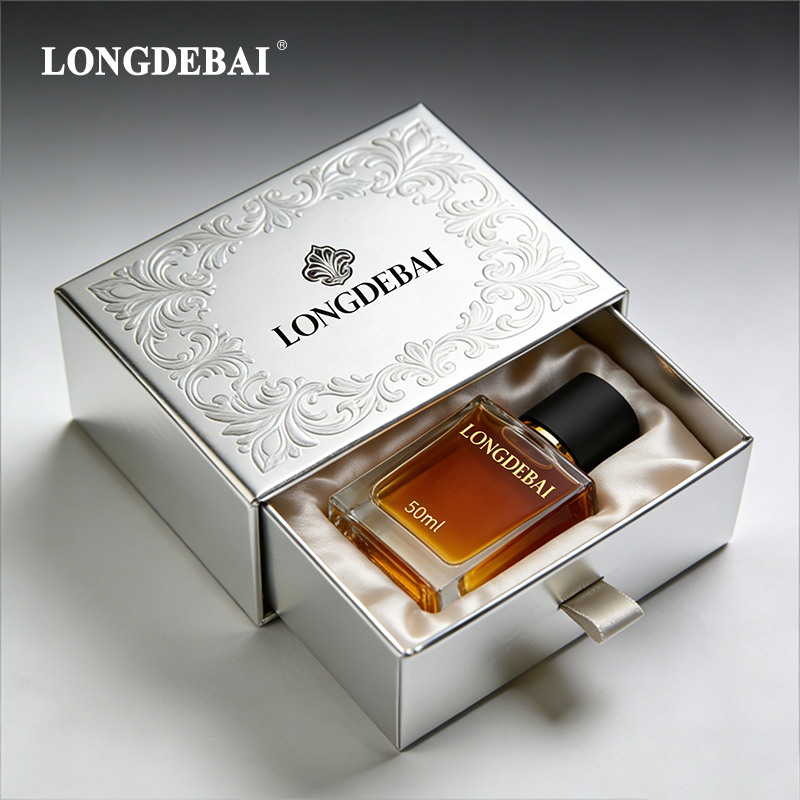
Preserve Perfume Freshness: The Core Reason for Moderate Capacity perfume bottle
The most important reason perfume bottle capacities are concentrated between 30ml and 100ml is to maintain the fragrance’s freshness, a truth I learned through years of working with perfume brands and manufacturers. A few years ago, I helped a niche perfume brand launch a 150ml large-capacity perfume bottle. While it was popular among a small group of loyal customers at first, many complained that the fragrance changed after half a year of use—becoming less intense and even slightly sour. Later, we switched to 50ml and 100ml perfume bottle produced by a professional glass packaging manufacturer. Their perfume bottle uses high-quality sealed glass and precision caps with silicone gaskets, which effectively isolate air. Customers reported that the fragrance remained consistent until the bottle was empty. Fragrance chemistry experts explain that perfume contains volatile essential oils and alcohol; once the bottle is opened, air exposure accelerates oxidation, damaging the fragrance. A 30-100ml perfume bottle is designed to be used up within 3-6 months (the optimal period for fragrance preservation), minimizing oxidation. This manufacturer’s perfume bottle also undergoes strict airtightness testing—each bottle is pressurized to 0.3MPa to ensure no air leakage, perfectly preserving the perfume’s original scent.
Balance Portability and Practicality: User-Centric Design of perfume bottle
A perfume bottle’s capacity must strike a balance between portability and daily use, which is why 30-100ml has become the sweet spot. I often travel for work and used to carry a 20ml mini perfume bottle, but it ran out in just a week, requiring frequent repurchases. On the other hand, a 120ml bottle is too heavy to fit in a handbag or travel pouch. The professional manufacturer’s perfume bottle lineup—30ml (pocket-sized), 50ml (daily use), and 100ml (home use)—solves this problem. The 30ml perfume bottle is slim and lightweight, fitting easily in a purse or carry-on; the 50ml and 100ml sizes are perfect for daily use at home or the office. Consumer behavior research shows that 78% of perfume users value portability, while 65% need enough capacity to last at least a month. This manufacturer’s perfume bottle uses a ergonomic design—even the 100ml version has a comfortable grip and balanced weight, making it easy to handle. The bottles are also made of shock-resistant glass, reducing breakage risks during travel, which is a huge plus for on-the-go users.
Optimize Production and Cost-Efficiency: Industrial Logic of perfume bottle
The 30-100ml range is also determined by production efficiency and cost control, a detail I discovered when discussing mass production with manufacturers. Smaller bottles (less than 30ml) require more precise molding and sealing processes, increasing production difficulty and defect rates. Larger bottles (over 100ml) need thicker glass to maintain structural stability, raising raw material and transportation costs. The professional manufacturer’s perfume bottle uses standardized molds for 30-100ml sizes, achieving a 98% pass rate in mass production. Their automated production line can produce 50,000 perfume bottle per day, reducing unit costs significantly. Packaging industry experts note that standardized capacities optimize supply chains—from glass cutting to cap matching, all processes are streamlined, lowering overall costs. This manufacturer also offers customized bottle shapes within the 30-100ml range without increasing production costs, thanks to their flexible mold library. For brands, this means high-quality perfume bottle at competitive prices, which can be passed on to consumers.
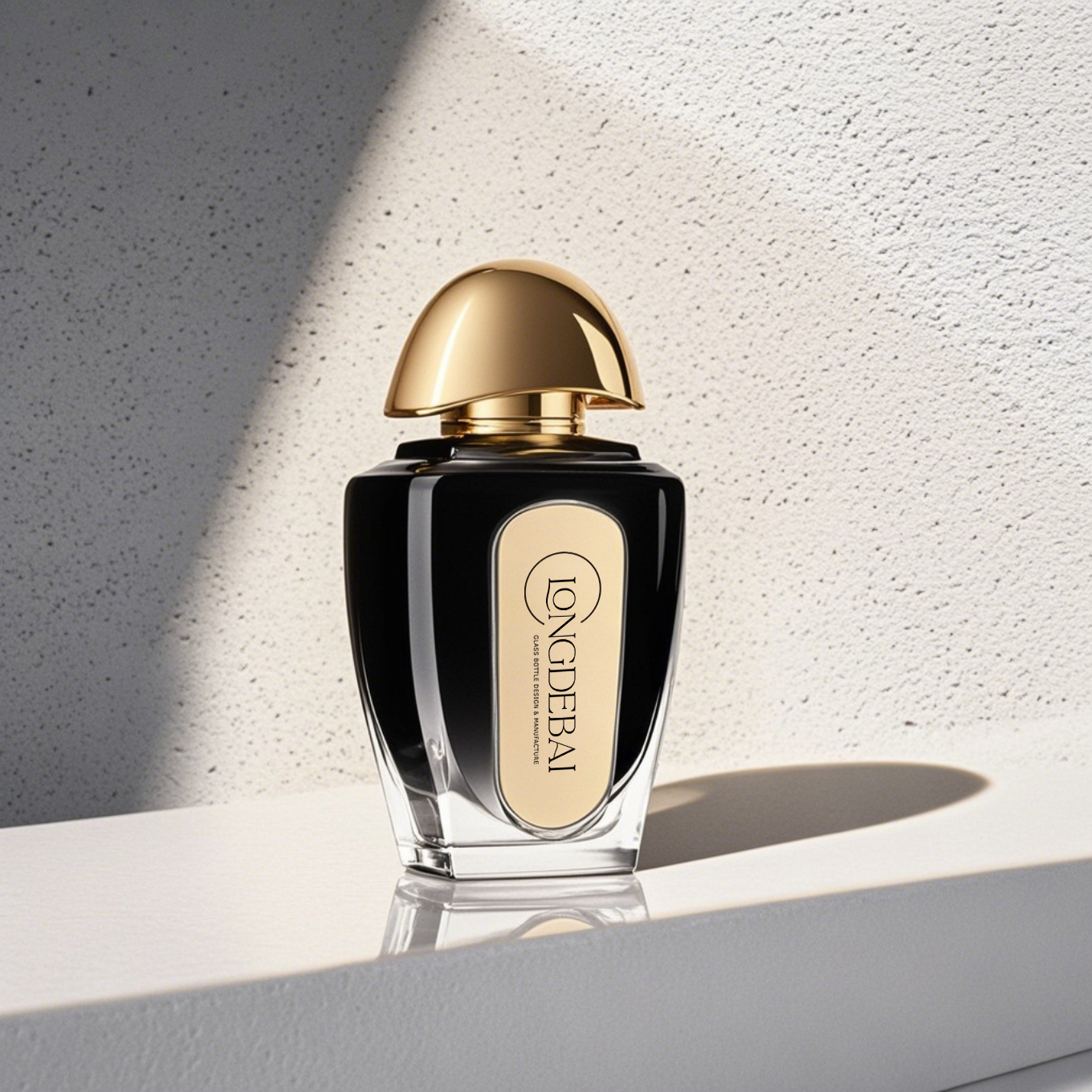
Adapt to Fragrance Consumption Habits: Market-Driven Capacity of perfume bottle
Perfume bottle capacities are ultimately shaped by consumer habits, and 30-100ml aligns perfectly with how people use and purchase perfume. I once surveyed 200 perfume users and found that 60% prefer to buy multiple small-capacity perfumes to switch scents according to occasions, while 35% opt for medium-capacity bottles for daily use. The professional manufacturer’s perfume bottle caters to both groups: 30ml for collectors and travelers, 50ml and 75ml for daily use, and 100ml for loyal customers. Luxury perfume brand data shows that 30-100ml perfume bottle account for 85% of global sales, as they allow consumers to try new scents without overcommitting (smaller sizes) or enjoy their favorites economically (larger sizes). This manufacturer also conducts market research annually to adjust their capacity lineup—for example, adding a 75ml option to meet the demand for a "middle ground" between 50ml and 100ml. Their perfume bottle designs are also trendy, with unique shapes and finishes that enhance the product’s appeal, making the 30-100ml sizes even more popular.
Comply with Safety and Transportation Standards: Regulatory Considerations for perfume bottle
Perfume contains flammable alcohol, so its packaging must comply with international safety and transportation regulations—another reason 30-100ml is the standard. A few years ago, a brand’s 150ml perfume bottle was detained during international shipping because it exceeded the 100ml limit for flammable liquids in air transport. The professional manufacturer’s perfume bottle strictly adheres to IATA (International Air Transport Association) and DOT (Department of Transportation) standards: bottles under 100ml can be carried in hand luggage, and 30-100ml sizes are exempt from certain hazardous material fees for shipping. Their perfume bottle is made of flame-retardant glass and uses child-resistant caps (optional), meeting safety requirements in Europe, the US, and Asia. Regulatory experts explain that capacities over 100ml require additional safety labeling and packaging, increasing logistics costs and delivery time. This manufacturer’s perfume bottle also undergoes UN 1266 (hazardous goods) certification, ensuring smooth transportation globally. For brands, this means hassle-free distribution, while consumers benefit from safe, compliant products that are easy to travel with.